Skincare Private Label Startup Cost Breakdown 2026
July 30, 2026
Skincraftlab
B2B Skincare Manufacturing Expert
What Is This Guide About?
Get a detailed cost breakdown for starting a private label skincare brand in 2026, including OEM fees, MOQs, packaging, and regulatory compliance.
Category
skincare private label startup cost breakdown 2026
Audience
Brand owners, procurement, R&D
Updated
July 2026
Starting a private label skincare brand in 2026 requires a clear understanding of all cost components: from OEM fees and raw materials to packaging, regulatory filings, and logistics. For a 5000-unit first order of a serum and sheet mask line, total startup costs typically range from $15,000 to $35,000 FOB Guangzhou. This includes formulation, mold fees, label design, and documentation. Skincraftlab, a GMP-certified manufacturer in Zhongshan, China, offers transparent pricing with MOQs starting at 1000 units per SKU. Below is a line-by-line breakdown of every cost you need to budget for.
OEM Formulation and Development Fees
Before production, your manufacturer will charge a one-time development fee for formulation, stability testing, and sample creation. For standard formulations (e.g., hyaluronic acid serum or clay mask), this costs $300–$800 per formula. Custom formulations with active ingredients like niacinamide can run $800–$1,500. This fee covers:
- R&D time and raw material samples
- Accelerated stability testing (4 weeks at 45°C)
- Preservative efficacy test (PET)
- Microbial limit test
Most OEMs in China include 2–3 rounds of revision in the development fee. Expect 4–6 weeks from brief to final formula approval.
Mold and Tooling Costs (Primary Packaging)
Packaging molds are a significant upfront cost that scales with design complexity. Here’s a typical cost table:
| Packaging Type | Estimated Mold Cost (USD) | MOQ per SKU | Lead Time |
|---|---|---|---|
| Standard round PET bottle (30-50ml) | $0 (stock) | 1,000 | 2 weeks |
| Custom airless pump bottle (30ml) | $1,200–$2,500 | 3,000 | 4 weeks |
| Custom jar with cap (50g) | $800–$1,500 | 2,000 | 3 weeks |
| Sheet mask pouch (stock size) | $0 (stock) | 1,000 | 2 weeks |
| Sheet mask pouch (custom die-cut) | $600–$1,200 | 2,000 | 3 weeks |
| Carton box printing plate | $100–$200 | 1,000 | 1 week |
If you use stock packaging (standard bottles, droppers, jars), you save 100% on mold fees. Skincraftlab maintains a catalog of stock packaging options for private label clay mask and serums.
Raw Material and Filling Costs (Per Unit)
After development and mold fees, the per-unit cost for filling and raw materials depends on formula complexity, batch size, and packaging. Below are realistic FOB Guangzhou per-unit ranges for 5,000-unit runs:
| Product Type | Cost per Unit (USD FOB) | Typical MOQ |
|---|---|---|
| Basic serum (5 ingredients) | $0.50–$0.80 | 1,000 |
| Serum with active (niacinamide, retinol) | $0.80–$1.50 | 1,000 |
| Sheet mask (standard fabric + essence) | $0.15–$0.35 | 1,000 |
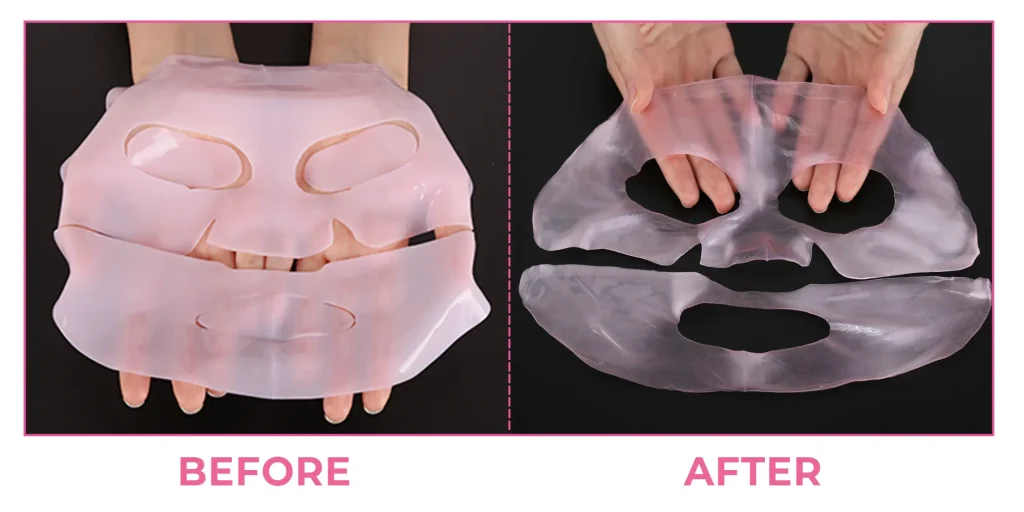
| Hydrogel sheet mask (advanced) | $0.40–$0.80 | 1,000 |
| Clay mask (jar, 50g) | $0.60–$1.00 | 1,000 |
| Day cream (jar, 50g) | $0.70–$1.20 | 1,000 |
| Sunscreen SPF 30+ (tube) | $1.00–$1.80 | 3,000 |
These prices exclude shipping, duties, and regulatory fees. For a 5,000-unit order of a serum and a sheet mask, you’re looking at material costs of approximately $4,000–$8,000.
Regulatory Compliance Costs by Market
Regulatory filings are often overlooked but can delay your launch by 4–8 months if not budgeted. Costs vary by target market:
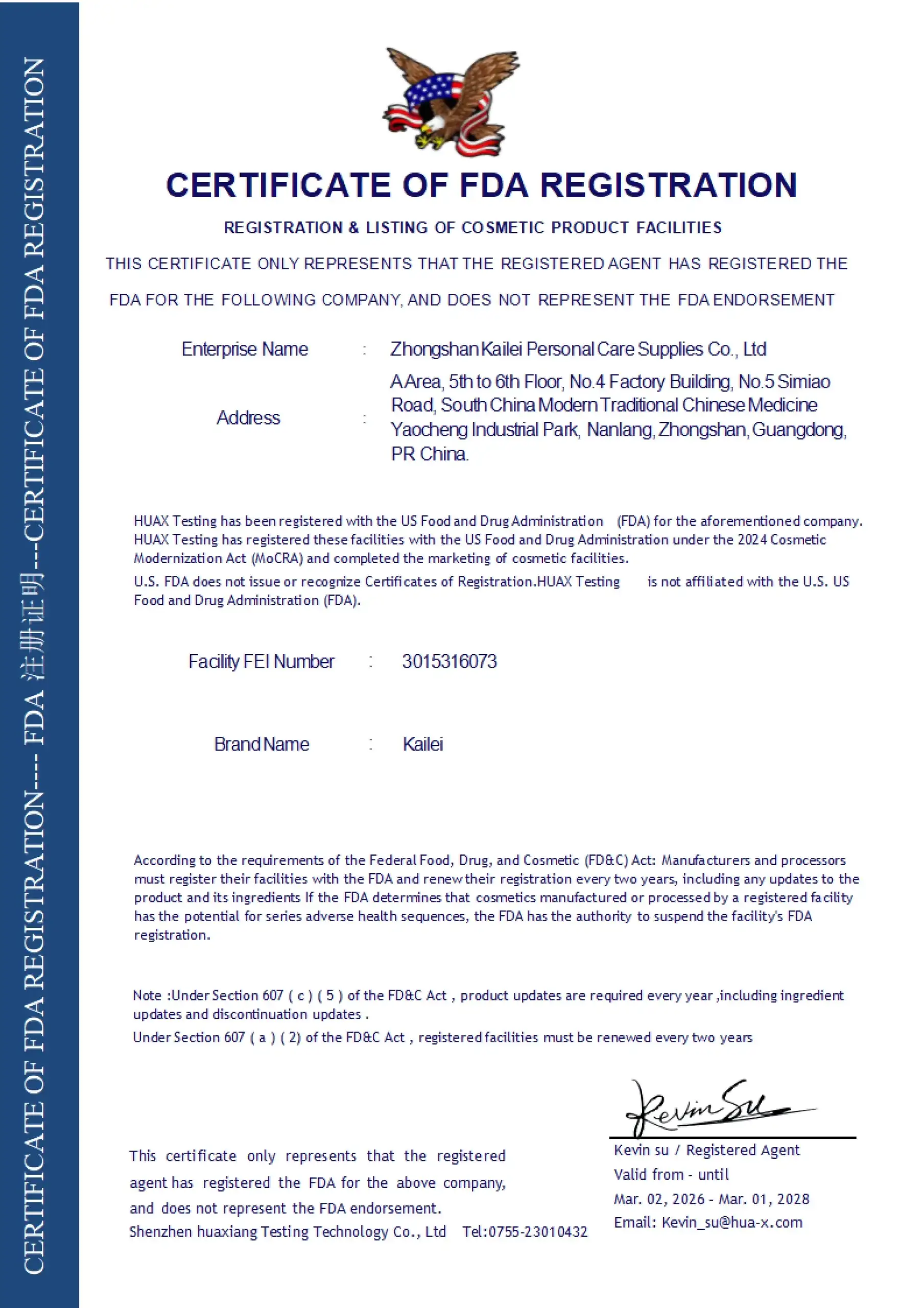
- United States (FDA): MoCRA registration for facility ($2,800 via US agent). No product-level pre-approval needed. Drug listing (if OTC) ~$500 per product.
- European Union/UK: CPSR (Cosmetic Product Safety Report) by a qualified toxicologist: $1,000–$2,000 per formula. Product notification via CPNP: ~$100–$200 per product.
- China (NMPA): Pre-market registration for imported cosmetics: $3,000–$8,000 per SKU + 6–12 months.
- Latin America (Mexico COFEPRIS): Free sale certificate (Chamber of Commerce, China): ~$200. Registration per product: $500–$1,500.
- Brazil (ANVISA): Registration per product: $1,000–$3,000.
- Australia (TGA): Listed product registration: $500–$1,000.
All GMP-certified manufacturers like Skincraftlab provide free sale certificates and can coordinate with your local regulatory consultant.
Labeling and Graphic Design Costs
You need at least an outer carton design and a label for each product. Costs:
- Graphic design per product (labels + carton): $200–$500 per SKU
- Print plate for carton (if custom): $100–$200 per plate
- Label printing (5,000 pcs): $0.05–$0.15 per label (including matte lamination)
Total labeling cost for a 3-SKU launch: ~$1,000–$2,000.
Logistics and Import Duties
Shipping from Zhongshan (Skincraftlab’s factory) to a US port via sea freight (20ft container, ~CIF):
- Sea freight (20ft, China to Los Angeles): $2,500–$4,000
- Customs clearance and brokerage: $200–$500
- Import duties (skincare, typically 0–5.6%): ~$50–$300
- Trucking to fulfillment center: $300–$600
For smaller orders (1-2 pallets), sea LCL or air freight: $800–$2,000.
Total Startup Cost Estimate (First 3 SKUs, 5,000 Units Each)
| Category | Low Estimate | High Estimate |
|---|---|---|
| OEM development fees | $900 | $2,400 |
| Mold and tooling | $0 | $3,700 |
| Raw materials + filling | $4,000 | $8,000 |
| Regulatory compliance (US-only) | $0 | $4,000 |
| Labeling and design | $600 | $1,500 |
| Logistics (sea freight + duties) | $1,600 | $3,000 |
| Total | $7,100 | $22,600 |
This is for a no-frills launch using stock packaging and US-only regulations. A fully custom line with NMPA registration could exceed $40,000.
How to Reduce Startup Costs
- Use stock packaging – zero mold fees, faster lead time.
- Start with 1–2 hero products – focus budget on best-sellers.
- Order standard formulas – avoid custom R&D fees initially.
- Negotiate tier pricing – 10,000 units per SKU can lower per-unit cost by 15–25%.
- Choose a manufacturer with in-house packaging – saves on procurement margins.
At Skincraftlab, we offer a “Startup Kit” with pre-approved formulas and stock packaging to reduce first-order cost to under $8,000 for a serum + sheet mask line.
FAQ
Q: What is the minimum MOQ for private label skincare in China in 2026?
Most OEM factories require a minimum order quantity of 1,000–3,000 units per SKU for custom formulations. Skincraftlab offers MOQs as low as 1,000 per SKU for standard packaging and formulas, and 500 units for stock packaging with their label.
Q: How much does it cost to develop a custom serum formula with a Chinese OEM?
Development fees for a custom serum formulation range from $800 to $1,500 per formula, including stability and preservative testing. Standard formulas from a factory catalog cost $0–$300 to adapt.
Q: Do I need a US agent for FDA MoCRA registration in 2026?
Yes, any company importing cosmetics into the US must have a US agent. The cost for a service provider is approximately $2,800–$3,500 per year. This covers facility registration with the FDA.
Q: What certifications should I ask for from a Chinese skincare manufacturer?
Request GMP (ISO 22716), Cosmetics GMP, and BSCI certification. A GMP certificate from an accredited body like SGS or Bureau Veritas verifies the factory meets international quality standards.
Q: How long does the whole process take from brief to first shipment?
Timelines vary: formula development and testing (4–6 weeks), packaging sourcing (2–4 weeks), production (4–6 weeks), and shipping (2–4 weeks). Total: 12–20 weeks. Skincraftlab can expedite to 10 weeks for stock formulas.
Q: Are Chinese OEM prices expected to rise in 2026?
Raw material costs (especially petroleum-based packaging) may increase 5–10% year-over-year due to global inflation. Labor costs remain stable. Early booking and larger MOQs help lock in current pricing.
Related Products
2026 Skincare Market Entry Guide
Which skincare categories are growing on Amazon US in 2026? Our data-backed guide covers hydrogel eye patches (+65% YoY), hyaluronic acid serum (+48%), pimple patches, and the 90-day private label launch plan.
No spam, ever. Unsubscribe anytime.
What Are the Key Facts Before You Request a Quote?
Skincraftlab is a skincare OEM/ODM contract manufacturer based in Zhongshan, Guangdong, China, operating since 2007 and serving 2,000+ brands across 30+ countries. Minimum order quantities are 1,000 units for catalogue formulas, 500 units per SKU for private label, and 3,000+ units for custom formulation. Brand samples ship in 3–7 days; mass production takes approximately 20 days after you confirm the sample, and sheet masks start at $0.08–$0.35 per piece. Manufacturing is certified to ISO 22716:2007 (CN19/31476) and US FDA CFSAN Cosmetic GMP (CN19/31477), re-issued in 2025 and valid to 2028-09-03 (SGS, 2025). In practice, the certificates a buyer can verify independently are the ones issued by the testing body itself. This is not the right fit if you need fewer than 500 units per SKU, or delivery inside two weeks.
| Topic | Details |
|---|---|
| Category | skincare private label startup cost breakdown 2026 |
| Minimum order | 1,000 units standard; 500 per SKU private label; 3,000+ custom |
| Samples & production | Brand samples 3–7 days; production approx. 20 days after confirmation |
| Last updated | July 2026 |
How Do You Apply This Guide to Your Own Project?
- 1Step 1: match the format to your unit cost — for example, sheet masks run $0.08–$0.35 per piece at 1,000 units, while serums run $1.50–$5.00 per bottle.
- 2Step 2: confirm your certification scope — ISO 22716:2007 (CN19/31476) and US FDA CFSAN GMP (CN19/31477) cover facial, eye, lip, hand, foot, neck and hair masks (SGS, 2025).
- 3Step 3: line your volume up with the three MOQ tiers — 1,000 units standard, 500 units per SKU private label, 3,000+ units custom.
- 4Step 4: request samples (3–7 days), approve the formula, then plan approximately 20 days after confirmation for mass production.
- 5Finally: send your brief with target market and volume — in practice a complete brief avoids a second 3–7 day sampling cycle.
Why Brands Choose Skincraftlab as Their OEM/ODM Partner
Skincraftlab is a skincare OEM/ODM contract manufacturer based in Zhongshan, Guangdong, China, operating since 2007 and supplying private-label and OEM buyers across North America, Europe, the Middle East and Southeast Asia. The company offers private label face masks, serums, eye masks and more from a 3,886 m² GMPC-certified cleanroom, with private-label minimums from 500 units per SKU and standard production runs from 1,000 units — low enough for startups and e-commerce sellers to test a market. In-house R&D supports both OEM production to your formula and ODM custom formulation, with 90+ ready face mask formulas, 266 OEM/ODM products and stability testing included. Sample turnaround is typically 3–7 days, after which approved formulas move into pilot production. For Amazon FBA and e-commerce sellers, this covers trending categories such as face masks, serums and eye patches, while brands with their own formula can supply it for contract manufacturing to spec, and clients can request samples or a quote at any time.
Frequently Asked Questions
What is the minimum MOQ for private label skincare in China in 2026?
How much does it cost to develop a custom serum formula with a Chinese OEM?
Do I need a US agent for FDA MoCRA registration in 2026?
What certifications should I ask for from a Chinese skincare manufacturer?
How long does the whole process take from brief to first shipment?
Are Chinese OEM prices expected to rise in 2026?
Related Posts

PDRN Serum OEM China: 2% vs 0.5% Salmon DNA Specs
What 2% vs 0.5% PDRN salmon DNA really means in an OEM spec sheet, plus rolling forecast terms for 500,000 pimple patches and hydrogel under-eye patch MOQ/FOB math.

Chat Responsiveness SLA for OEM Skincare Inquiries in China
What a realistic chat responsiveness SLA looks like for OEM skincare inquiries in China — plus hydrocolloid vs hydrogel pimple patch sourcing specs and costs.

Pimple Patch OEM Line Capacity: 1M Units/Month Ramp-Up
A factory-floor ramp-up plan for taking a dedicated hydrocolloid coating line from pilot to 1 million pimple patch units per month in China, with real cycle times and QC gates.